Car First Aid Kit: What Is Mandatory in Lithuania and What to Add
Share
Every driver carries a first aid kit in their car, but few know exactly what should be inside it, and even fewer have opened it at least once. In recent years, the regulations have fundamentally changed: the mandatory kit must now include two tourniquets.
In this guide, we clarify what the current legal acts in Lithuania actually require and what additional gear is worth having on hand so that your first aid kit functions properly in an emergency.
Legal Regulations and Mandatory Requirements
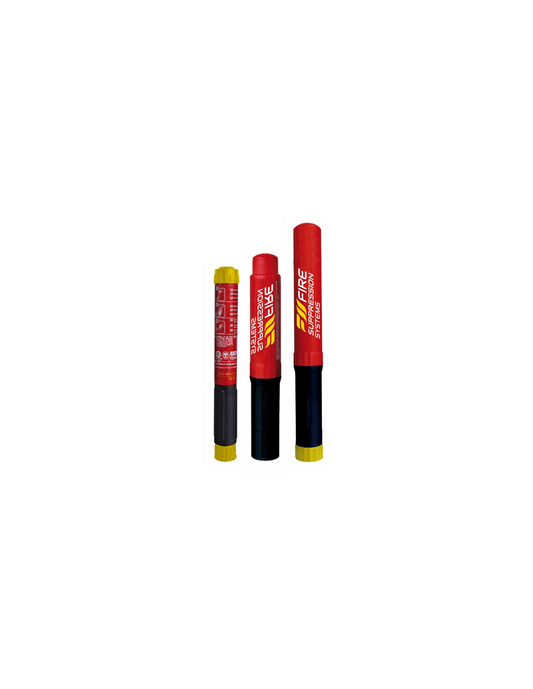
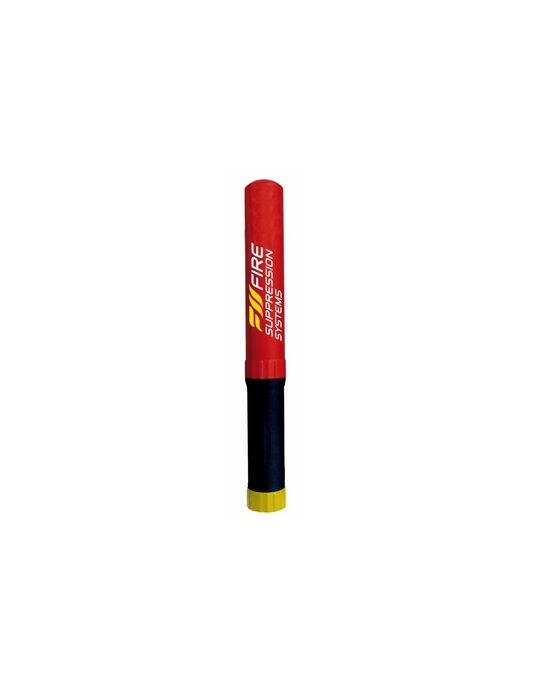
The obligation to carry a first aid kit in a vehicle is set out in Point 231 of the Lithuanian Road Traffic Rules (KET). It specifies that motor vehicles participating in traffic (except mopeds and motorcycles without a sidecar), tractors, and self-propelled machinery must carry a warning triangle, the appropriate number of fire extinguishers and first aid kits, as well as a high-visibility vest with reflective elements.
The specific content of the kit is regulated by Order No. V-450 of the Minister of Health of July 11, 2003 and the Description of the First Aid Kit approved by it (the current version took effect under Order No. V-2876 of December 10, 2020, with subsequent amendments). According to this document, the kit is mandatory in all road motor vehicles registered in Lithuania.
The transition periods are already in the past: older-style kits were permitted until July 1, 2023, and the deadline to update kits with tourniquets ended on July 1, 2025. Therefore, your car must already carry a set that complies with the requirements listed below.
Official Car First Aid Kit Contents
According to the effective Description of the First Aid Kit, the mandatory kit consists of:
- sterile adhesive bandages in various sizes – 10 pcs.;
- roll of adhesive tape – 1 pc. (not less than 5 m);
- sterile pressure dressing (sterile pad not smaller than 10 × 10 cm, bandage not smaller than 15 × 180 cm) – 1 pc.;
- non-sterile bandage – 5 pcs. (each not less than 5 m long);
- supportive triangular bandage – 2 pcs.;
- first aid shears – 1 pc.;
- special emergency blanket for laying under or covering the victim (not smaller than 130 × 200 cm) – 2 pcs.;
- sterile wound dressing (not smaller than 5 × 10 cm) – 10 pcs.;
- disposable medical gloves – 2 sets (2 pcs. each);
- disposable protective films or resuscitation masks for artificial respiration – 2 pcs.;
- disposable ice pack – 2 pcs.;
- tourniquet for stopping severe (massive) bleeding from arms or legs – 2 pcs.;
- first aid instruction sheet or tourniquet usage instructions – 1 pc.
Legal acts also impose additional requirements. All items in the kit must meet standards for medical devices, and keeping expired or damaged packaging items is prohibited. The kit itself must be labeled, stored in a visible location, and easily accessible.
Legal Liability for Not Having a First Aid Kit
The Code of Administrative Offences does not provide a separate penalty solely for the absence of a first aid kit. In such cases, a general provision for other traffic violations applies (Article 417, Part 7 of ANK), incurring a fine for the driver ranging from 10 to 12 euros. Although the fine is small, the true purpose of the kit is to provide life-saving tools.
What the Regulations Don't Tell You
Therefore, it is worth critically evaluating what is inside your first aid kit and supplementing it with the most essential supplies.
What is Worth Adding Additionally
A Reliable Tourniquet
If the origin or reliability of the tourniquets in your kit is questionable, make sure to get at least one tourniquet from a trusted manufacturer, such as a CAT Gen 7 or SAM XT. It is recommended to keep it inside the cabin, where the driver or passenger can reach it in seconds.
Pressure (Israeli) Bandage
The standard kit includes only one pressure dressing. Since an elastic bandage with an integrated pressure applicator allows for effective bleeding control even when working alone, an extra pressure bandage is very useful.
Wound Packing or Hemostatic Gauze
Deep wounds or bleeding from the neck, armpit, or groin cannot be stopped with a tourniquet—in such cases, the wound must be packed. The 2025 European Resuscitation Council guidelines for first aid providers recommend using hemostatic dressings.
Sturdier Emergency Blanket
While the mandatory set contains two blankets, an extra—larger and more durable—thermal emergency blanket is useful when waiting longer for help. Protecting the casualty from cold, wind, and frozen ground is crucial, not just in winter.
Heavy-Duty Tactical Trauma Shears
Standard small scissors are sometimes unable to cut through thick jeans, jackets, or seatbelts. Tactical shears allow immediate exposure of the injured area, which is essential to identify the source of bleeding and apply aid.
Extra Gloves
Only two pairs of gloves are required in the standard kit. Add several pairs of quality nitrile gloves in your size—you can never have too many.
Useful Accessories
- waterproof marker for writing down the tourniquet application time;
- compact flashlight or headlamp;
- duct tape to secure dressings or improvised splints;
- card with emergency contacts and essential medical information.
Storage Location and Maintenance
- The kit must be kept in an easily accessible place, not buried under heavy items at the bottom of the trunk. The tourniquet and pressure bandage are best kept inside the passenger cabin.
- Review the kit at least once a year: check expiration dates and packaging integrity, and replace any used items immediately.
- Familiarize yourself with the kit in advance: open it and inspect the contents, because in a critical situation, there won't be time for that.
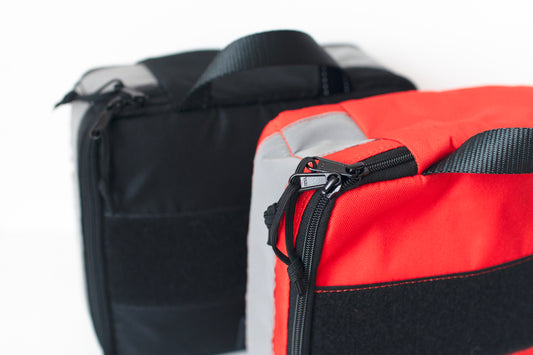
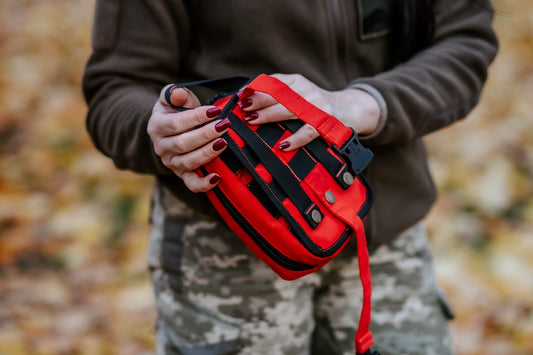
You can find all necessary car gear—from pouches to certified tourniquets and emergency blankets—in the "For Vehicles" collection. Look for specialized hemorrhage control equipment in the "Bleeding Control" section, and browse our complete range in the medical category.
Important: A first aid kit itself does not save lives—only knowledge and skills do. This article is not a replacement for practical first aid training, which you can find on the Locked N' Loaded training website.
Sources
- https://www.e-tar.lt/portal/lt/legalAct/TAR.9BB254501DB8/asr
- https://www.e-tar.lt/portal/lt/legalAct/TAR.BBE7D61A0416/asr
- https://www.e-tar.lt/portal/lt/legalAct/4ebe66c0262311e5bf92d6af3f6a2e8b/asr
- https://www.vta.lt/privalomoji-technine-apziura/i-ka-atkreipti-demesi/pirmosios-pagalbos-rinkiniai/
- https://www.lrt.lt/naujienos/sveikata/682/1988749/sam-vairuotojai-iki-liepos-1-d-turi-atnaujinti-vaistineles-automobiliuose
- https://www.resuscitationjournal.com/article/S0300-9572(25)00264-3/fulltext
- https://www.resus.org.uk/professional-library/2025-resuscitation-guidelines/first-aid-guidelines