MARCH Algorithm: Tactical Medicine Priorities Made Simple
Share
During severe trauma, stress levels run extremely high and time for decision-making is severely limited. To ensure first aid is rendered smoothly and without chaos, tactical medicine utilizes a structured sequence of actions. One of the most widely adopted frameworks is the MARCH algorithm, which enables systematic care starting with the most immediate life-threatening conditions.
What Is the MARCH Algorithm and Why Is It Needed?
The MARCH algorithm is a mnemonic representing five critical intervention steps in trauma management. Developed from battlefield and emergency scenario analyses, it directs the responder's attention to what will kill the casualty fastest. Traditional first aid often begins by assessing the airway, but in cases of severe trauma, a victim can bleed to death in minutes while an responder attempts to open an airway. MARCH reprioritizes these steps based on mortality risk.
Before taking any action, evaluating scene safety is imperative. If a threat persists, the primary goal is protecting yourself and the casualty. As soon as circumstances allow, call emergency services (112 in Lithuania/EU or your local emergency number) immediately. Only after scene safety is confirmed and help is summoned should life-threatening conditions be addressed according to the protocol.
M – Massive Bleeding
The first and most crucial step is controlling massive, life-threatening hemorrhage. Arterial bleeding from extremities or junctional areas can lead to death within a very short timeframe. Therefore, any visible pulsating or heavy arterial bleeding must be stopped immediately.
If bleeding originates from an arm or leg, the primary tool is a tourniquet. A CAT Gen 7 tourniquet or a SICH tourniquet can be applied to occlude limb blood flow. It is placed high and tight on the limb or a few inches above the wound. If bleeding occurs in junctional zones (armpits, groin, neck) where a tourniquet cannot be placed, wound packing is performed. Use a QuikClot Combat Gauze hemostatic dressing or standard TyTek Medical EZ-Gauze packing gauze, followed by direct manual pressure.
A – Airway
Once massive bleeding is controlled, the casualty's airway is evaluated. In an unconscious person, muscle tone relaxes, which can cause the tongue to drop back and obstruct airflow into the lungs. Blood, vomit, or foreign objects can also block the airway.
If the casualty is unconscious but breathing, the initial management involves manual maneuvers: head-tilt/chin-lift or jaw-thrust (if spinal trauma is suspected). In certain cases, a NasoSafe nasopharyngeal airway (NPA) is utilized to maintain airway patency. This flexible tube is inserted through the naris into the pharynx, preventing the tongue from occluding the airway.
R – Respiration
This phase focuses on assessing chest wall integrity and respiratory efficiency. Gunshot, stab, or shrapnel wounds to the chest can penetrate the pleural cavity and lead to pneumothorax, where air enters the chest cavity and compresses the lungs.
According to TCCC guidelines, open chest wounds between the neck and navel should be sealed with an occlusive chest seal—read more details and guidelines in our article about occlusive chest seals. Tools like the FoxSeal vented occlusive chest seal or non-vented alternatives are used. It is vital to check the entire torso—front, back, and armpits—for exit wounds. If a casualty's condition deteriorates rapidly after seal application, burping the seal corner may be required to release trapped pressure.
C – Circulation
The fourth step evaluates overall circulatory status, identifies minor sources of bleeding, and verifies the efficacy of prior interventions. Re-evaluating previously applied tourniquets is essential—if bleeding persists, applying a second tourniquet adjacent to the first may be necessary.
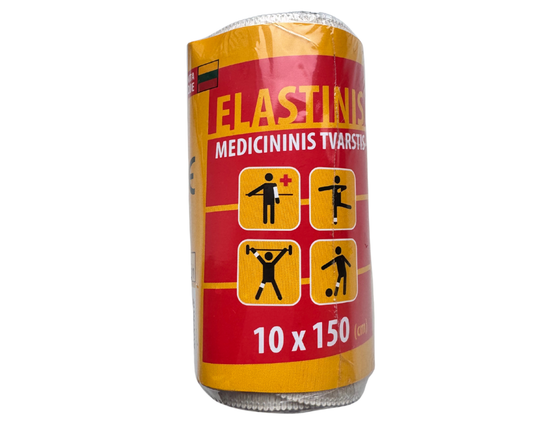
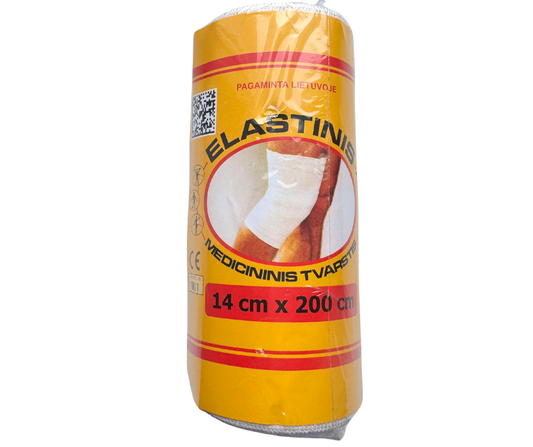
To dress other wounds and control minor hemorrhages, a 4″ Israeli Emergency Bandage or a standard 6″ Elastic Compression Bandage is applied. Radial pulse, skin color, and temperature are also assessed at this stage. Any signs of pelvic fracture warrant stabilization with a pelvic binder, as pelvic internal bleeding can be massive and occult.
H – Hypothermia / Head
The final yet crucial stage addresses body temperature preservation and secondary injury assessment. A trauma patient suffering blood loss rapidly loses the ability to thermoregulate. Hypothermia impairs blood clotting mechanisms (coagulopathy), which can cause bleeding to resume even from minor wounds.
The casualty must be insulated from cold ground surfaces and sheltered from wind. A standard emergency thermal blanket or a specialized Blizzard Trauma Blanket (Large, Green) should be used. Head injuries, ocular trauma, burns, and fracture immobilizations are also managed in this step. All delivered interventions and vital signs are documented using a casualty card.
MARCH Algorithm Summary Table
| Letter | Step | Primary Goal | Equipment Used |
|---|---|---|---|
| M | Massive Bleeding | Control life-threatening hemorrhage | Tourniquets, hemostatic dressings, packing gauze |
| A | Airway | Ensure airway patency | Jaw-thrust maneuver, nasopharyngeal airway (NPA) |
| R | Respiration | Seal open chest wounds | Vented or non-vented occlusive chest seals |
| C | Circulation | Assess circulation, control remaining bleeding | Compression bandages, additional tourniquets, pelvic binder |
| H | Hypothermia / Head | Prevent hypothermia, manage secondary injuries | Thermal trauma blankets, splints, casualty card |
Practical Cheat Sheet for Applying MARCH
To successfully apply the MARCH algorithm in a real-world scenario, adhere to these fundamental principles:
- Do not start with minor injuries: Always follow the order of priorities. Do not look for limb fractures before massive arterial bleeding is stopped.
- Continuous reassessment: After completing each step or moving the casualty, re-evaluate previous actions. Has the tourniquet slipped? Is the chest seal still adhering securely?
- Hypothermia prevention starts early: Do not delay heat retention measures. Apply a thermal blanket as early as possible, especially if the casualty is lying on cold ground or snow.
- Organize your kit logically: Medical gear in your IFAK kit should be packed so that massive hemorrhage control tools are the most accessible.
Read more about tourniquet types in our guide How to Choose a Tourniquet.
Want to learn these practical skills hands-on? We organize tactical medicine training courses—for more information, contact mokymai@parakomanai.lt.
Didn't find the item you need? Email us at parduotuve@parakomanai.lt—we are here to help.
Sources
- Deployed Medicine (TCCC Guidelines): deployedmedicine.com
- NAEMT: naemt.org
- Stop the Bleed: stopthebleed.org
- Emergency Response Center (Lithuania): 112.lt