Home First Aid Kit and Medical Supplies: What You Really Need
Share
In daily household life, the risk of injury remains constant—from minor cuts in the kitchen to burns or severe injuries during home repairs. Often, a home medical kit is disorganized, filled with expired medications, or lacking essential bandaging supplies. Thoughtful kit assembly ensures that when help is needed, the required tool is right at hand.
Purpose of a Home First Aid Kit and Assembly Mistakes
A home first aid kit should be divided into two main categories: supplies for daily minor injuries and equipment for managing critical conditions. The most common mistake at home is mixing medications and bandaging materials in a single box without any system. In an emergency, a lot of time is wasted searching for the required bandage or plaster.
In any injury scenario, first evaluate the severity of the condition. If bleeding is severe, the casualty has lost consciousness, or has suffered a major trauma, call 112 first. Bandaging supplies must be easily accessible, and procedures should be performed with clean hands using protective equipment.
Everyday Minor Injuries (Boo Boo Kit)
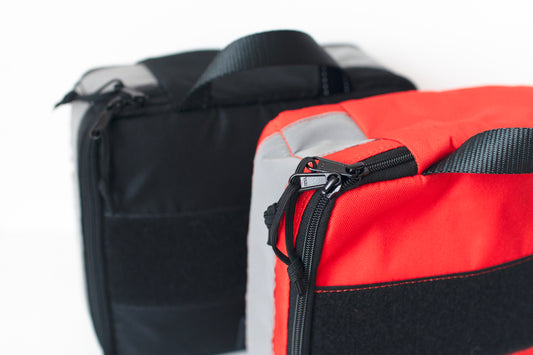
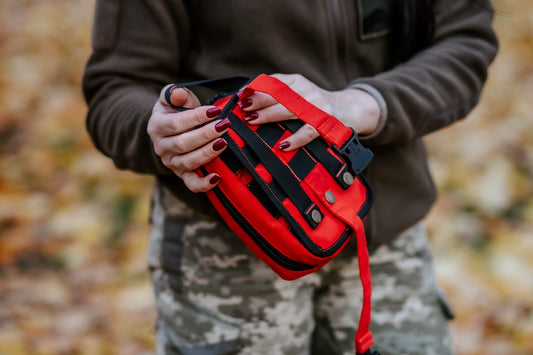
The majority of household injuries consist of minor cuts, abrasions, or blisters. For such cases, it is convenient to have a separate compact kit, such as a personal everyday first aid kit (boo boo kit). It does not clutter the main medical kit and can easily be taken on trips.
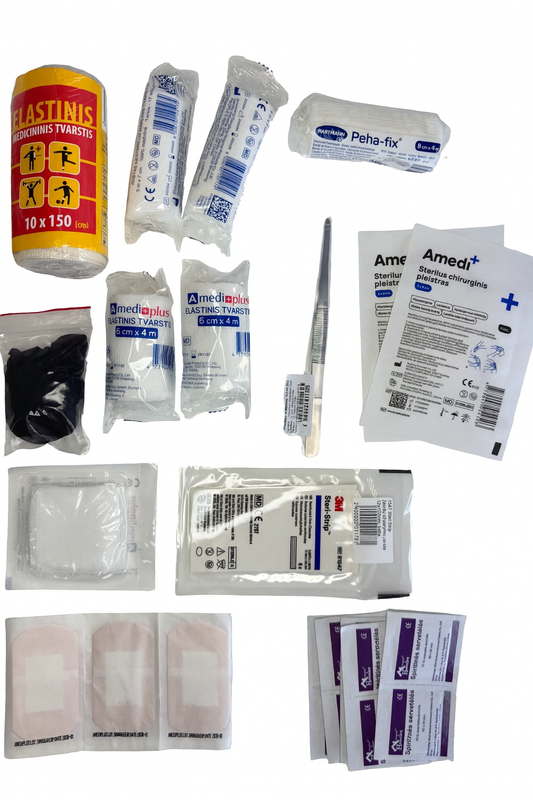
When providing first aid at home, hygiene is a primary requirement. Before touching a wound, it is recommended to put on protective gloves—a pair of black nitrile gloves is suitable for this. For closing wound edges after minor cuts, special RUDANAHT wound closure strips or sterile Exofin 1 ml wound glue are used. For dressing and fixation, strong silk medical tape 5cm x 9.14m is very practical.
Supplies for Burns, Sprains, and Traumas
Hot liquids, heated surfaces, or electrical appliances create burn risks in the home. The affected area must first be cooled under cool running water—for no less than 20 minutes according to ERC guidelines. To protect burned skin from infection, special BurnTec hydrogel burn dressings are applied, which do not stick to the wound and help reduce pain.
In case of bumps, sprained ligaments, or bruises, cold is used to suppress tissue swelling. For such situations, it is useful to keep a disposable ice pack in the kit, which provides a fast cooling effect upon activation without prior refrigeration. Compact black tactical trauma shears "Piranha" (small) are used for bandaging and cutting clothing, safely cutting fabrics without injuring the skin.
Critical Condition Equipment at Home
Although severe injuries occur less frequently at home, preparation for them is essential. Working with power tools, lawnmowers, or construction materials carries a risk of massive hemorrhage. Alongside everyday supplies, the home first aid kit must contain at least one tourniquet and a pressure bandage.
A separate section of the medical kit should consist of supplies for emergency situations or prolonged power and supply outages. For more details on home survival preparation, read the guide on 72-hour preparedness and the family emergency supply list. It is also recommended to review requirements applicable to other kits in the guide on car first aid kits and their contents in Lithuania.
Home First Aid Kit Contents Table
| Category | Essential Supplies | Purpose |
|---|---|---|
| Personal Protection & Hygiene | Nitrile gloves, disinfectant liquid | Infection prevention while providing aid |
| Minor Wounds | Plasters, wound closure strips, wound glue | Care for cuts, abrasions, and blisters |
| Burns & Bruises | BurnTec hydrogel dressings, disposable ice pack | Cooling thermal injuries and swelling suppression |
| Dressings & Tools | Elastic bandages, silk tape, tactical shears | Dressing fixation, cutting clothing |
| Critical Trauma | Tourniquet, pressure bandage, hemostatic gauze | Stopping severe hemorrhage until medical help arrives |
Practical Checklist: Storage and Maintenance of the Home First Aid Kit
To keep your home medical kit functional, follow these tips:
- Storage location: Keep the medical kit in a dry, dark place out of reach of children. The bathroom is not a suitable place for medical supplies due to high humidity and temperature fluctuations.
- Expiration date checks: Review the expiration dates of all supplies once a year. Non-sterile or dried-out dressings must be replaced with new ones.
- Known location for family members: All adult family members must know exactly where the kit is stored.
- Separation of contents: Do not store prescription medications together with emergency trauma supplies. For detailed information on trauma kit setup, see the description of IFAK contents.
Want to learn how to do this in practice? We organize tactical medicine training—more information at mokymai@parakomanai.lt.
Didn't find the tool you need? Write to parduotuve@parakomanai.lt—we will help.
Sources
- Lithuanian Red Cross: redcross.lt
- Ministry of Health of the Republic of Lithuania: sam.lrv.lt
- Lithuanian Emergency Preparedness Portal: lt72.lt
- General Emergency Centre (Lithuania): 112.lt